Get Involved WITH

Project Delta

Next-generation digital infrastructure and high-quality jobs, designed to support and grow with Stokes County.

Get Involved WITH

Project Delta

Next-generation digital infrastructure and high-quality jobs, designed to support and grow with Stokes County.

Bringing long-term economic growth to Stokes County

Project Delta is a forward-thinking, community oriented approach to digital infrastructure. With a team committed to excellence, we are bringing modern digital infrastructure to Stokes County thoughtfully and responsibly.

Welcome to Project Delta.
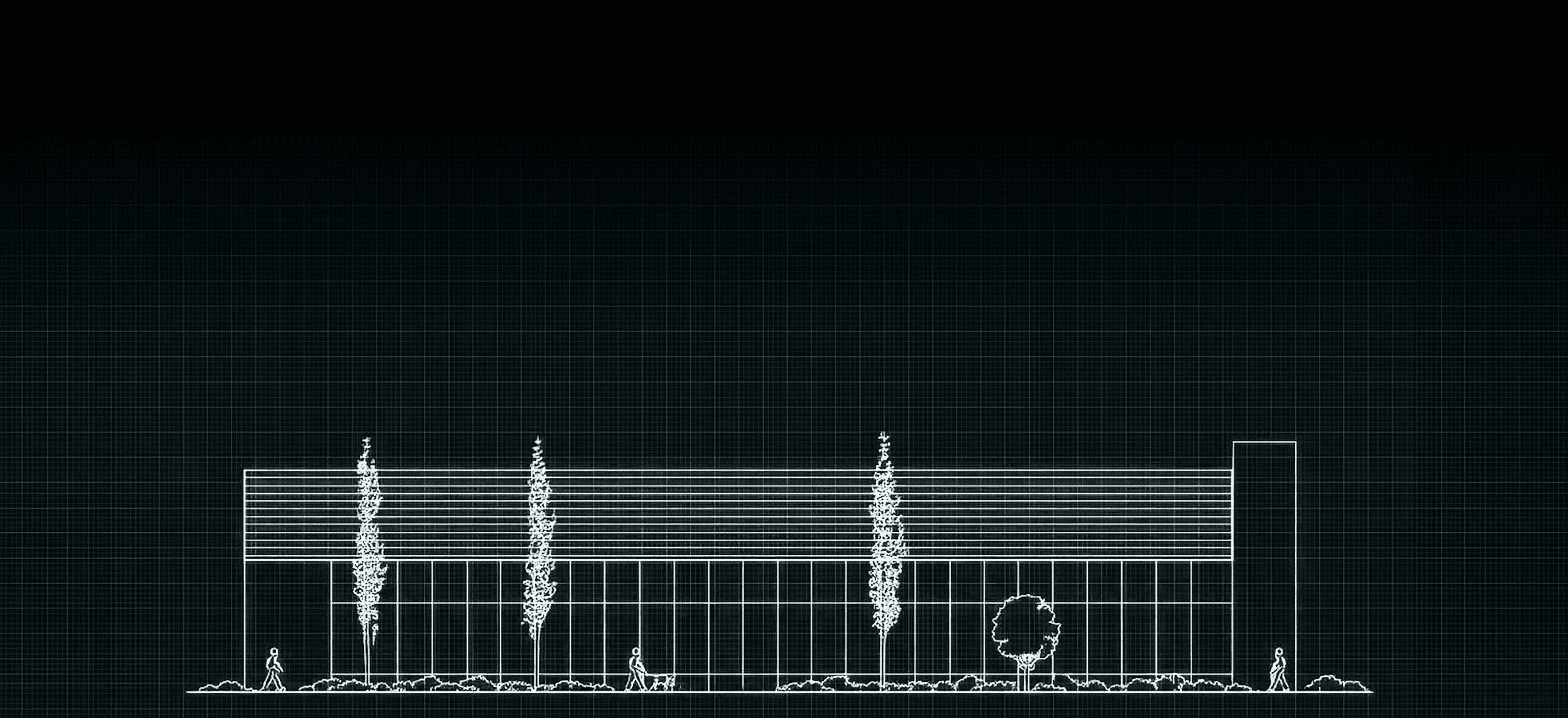
What are Data Centers?

Data centers are highly specialized facilities that house computer servers and network

equipment used to store, process, and manage digital information. They form the

physical backbone of the internet – powering everything from cloud computing and

online banking to streaming, logistics, and artificial intelligence.


Modern data centers are designed for reliability, security, and energy efficiency,

operating continuously 24/7 with redundant power, cooling, and fiber connections. While they require robust electrical capacity, they generate very little daily traffic, no adverse noise or emissions, and minimal water use compared to traditional industrial facilities.


In essence, a data center is a quiet, clean, and technology-driven use that supports the digital economy while offering long-term stability and investment to the communities that host them. Data Centers are modern economic development. And at ELS, we create this development responsibly.

What are Data Centers?

Data centers are highly specialized facilities that house computer servers and network

equipment used to store, process, and manage digital information. They form the

physical backbone of the internet – powering everything from cloud computing and

online banking to streaming, logistics, and artificial intelligence.


Modern data centers are designed for reliability, security, and energy efficiency,

operating continuously 24/7 with redundant power, cooling, and fiber connections. While they require robust electrical capacity, they generate very little daily traffic, no adverse noise or emissions, and minimal water use compared to traditional industrial facilities.


In essence, a data center is a quiet, clean, and technology-driven use that supports the digital economy while offering long-term stability and investment to the communities that host them. Data Centers are modern economic development. And at ELS, we create this development responsibly.

PROJECT DETAILS

PROJECT DETAILS

Infrastructure Improvements

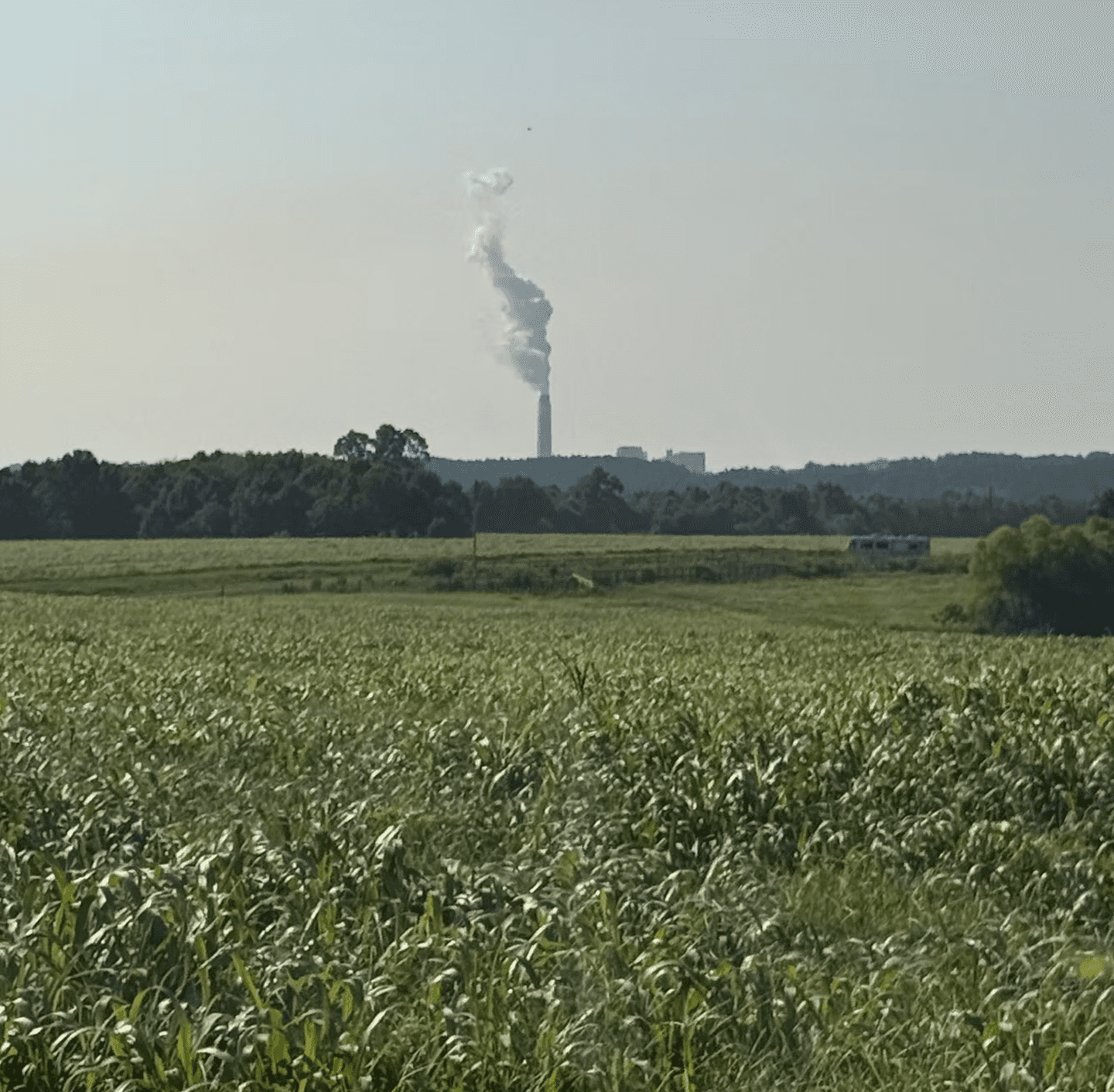
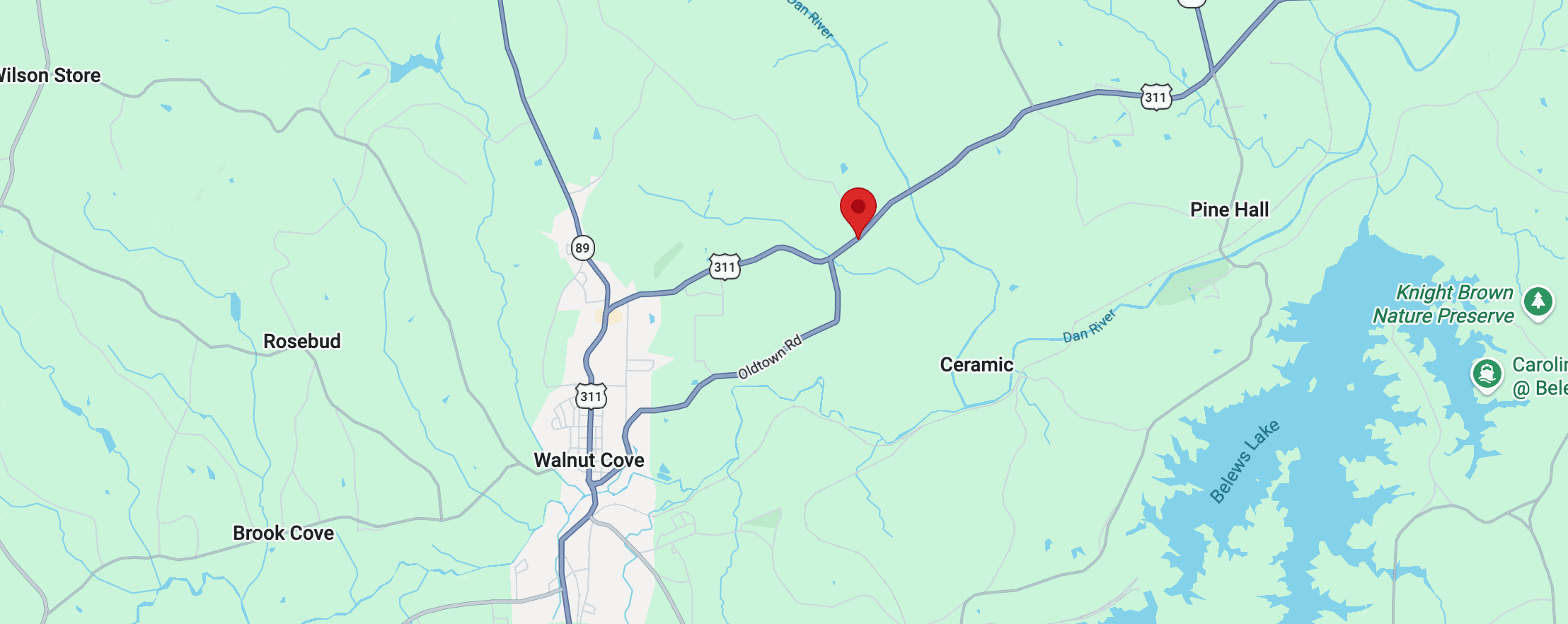
Project Delta is designed to work with existing infrastructure, not overwhelm it. Specifically, Project Delta is co-located with an existing Duke Energy generation facility (Belews Creek), minimizing the need for major off-site upgrades.

Developer pays the FULL cost for all electric improvements necessary to support the project, including new substations and transmission upgrades, ensuring reliable power without putting the burden on ratepayers. Project Delta will use a modern, efficient cooling system designed for responsible water usage, keeping daily demand closer to an office building than a traditional large-scale industrial use, far less than if this land was developed as residential.

All extended utilities will be done at the project's expense. And with some of the lowest traffic generation of any major land use, Project Delta brings long-term infrastructure value with minimal negative traffic burden.

Learn more

SUSTAINABLE DEVELOPMENT

SUSTAINABLE DEVELOPMENT

Environmental Stewardship

Environmental Stewardship

Project Delta is designed with a deep respect for the surrounding environment. From early planning through construction, the project prioritizes protecting local ecosystems, wildlife, and natural habitats.

Construction timing and site planning are carefully managed to minimize disruption to migratory species and native wildlife. Natural buffers are preserved and reinforced to maintain separation from nearby properties and protect the character of the surrounding landscape.

The campus is also designed to operate quietly. Sound levels are comparable to everyday building systems and significantly lower than common neighborhood noise. The project has studied the historical cultural resources on-site, and has taken these areas into consideration in our development plan.

Project Delta will work with the appropriate regulatory agencies, including EPA, NCDEQ, SHPO, and others.

Learn more

WHY PROJECT DELTA

WHY PROJECT DELTA

Community Advantages

Project Delta is designed to deliver economic growth, tax revenue, and good local jobs – all while being a low-impact neighbor.

Unlike many large developments, Project Delta places little demand on local schools, generates very low traffic, and uses a modern, efficient cooling system designed for responsible water usage.

For Stokes County, the opportunity is clear: grow the economy, strengthen the tax base, and create stable, good-paying jobs.

Learn more

Commitments

Commitments

PROJECT DELTA WILL:

PROJECT DELTA WILL:

Invest hundreds of millions of dollars in Stokes County, creating a long-term technology campus and tax base

Invest hundreds of millions of dollars in Stokes County, creating a long-term technology campus and tax base

Generate $40M+ annually in tax revenue at full buildout, with minimal demand on public services

Generate $40M+ annually in tax revenue at full buildout, with minimal demand on public services

Create 250–500 high-paying permanent jobs (avg. ~$100K) plus significant contractor and supplier opportunities

Create 250–500 high-paying permanent jobs (avg. ~$100K) plus significant contractor and supplier opportunities

Pay the FULL costs associated with delivering power, water, sewer, and fiber to the project site

Pay the FULL costs associated with delivering power, water, sewer, and fiber to the project site

Expand local water, sewer, and fiber capacity

Expand local water, sewer, and fiber capacity

Use water-efficient cooling systems designed to minimize water consumption

Use water-efficient cooling systems designed to minimize water consumption

Be one of the lowest traffic-generating land uses, far below retail, schools, or residential

Be one of the lowest traffic-generating land uses, far below retail, schools, or residential

Deliver a low-impact neighbor profile (minimal traffic, no negative school burden, limited daily resource use)

Deliver a low-impact neighbor profile (minimal traffic, no negative school burden, limited daily resource use)

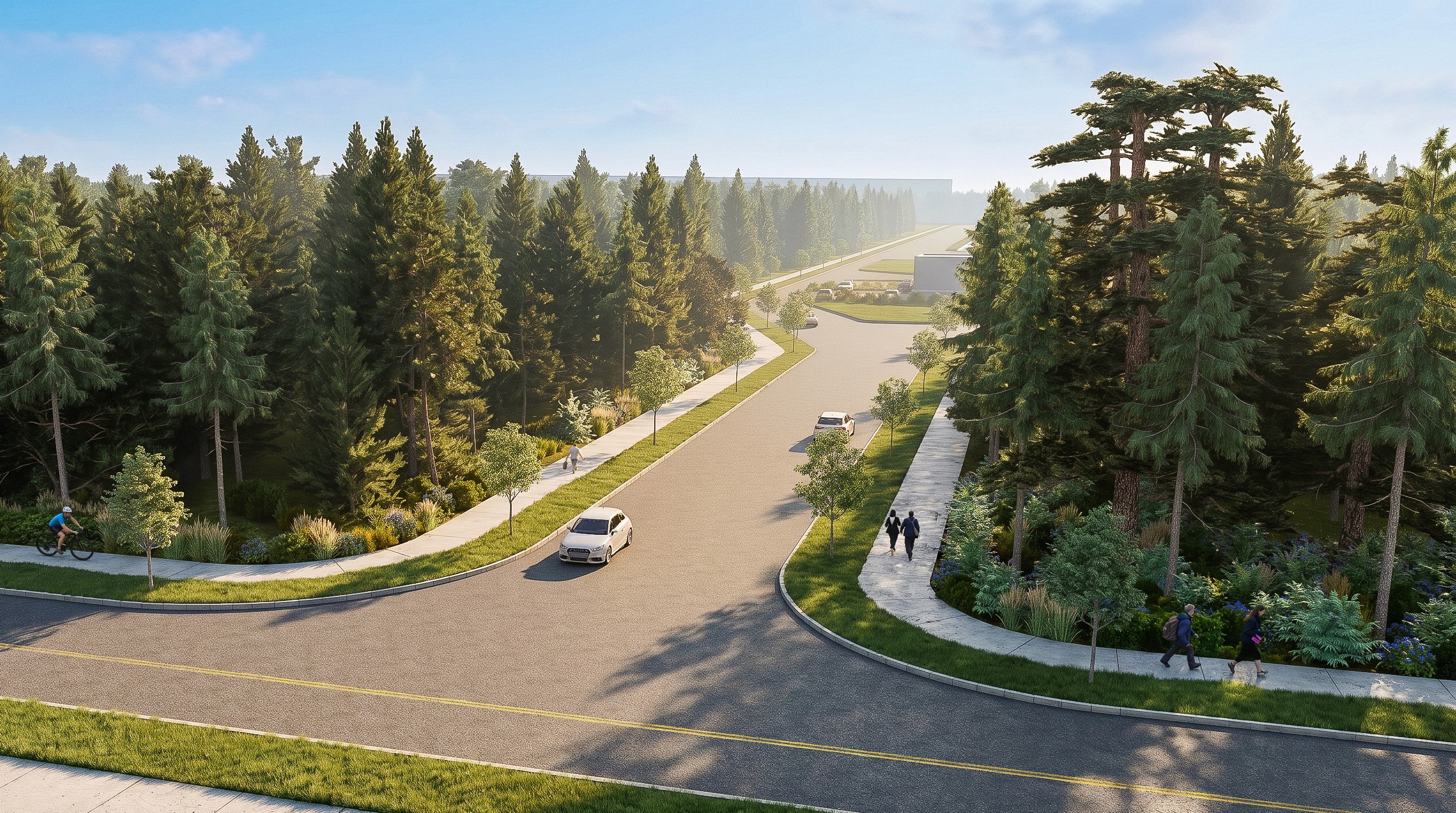
Construct high-quality, secure, Class A buildings with buffers and limited visibility from public roads

Construct high-quality, secure, Class A buildings with buffers and limited visibility from public roads

Preserve existing tree buffers and coordinate with environmental and historical agencies

Preserve existing tree buffers and coordinate with environmental and historical agencies

Maintain low noise levels and adhere to all local noise ordinances, in line with the daytime noise on site today, with monitoring and enforcement

Maintain low noise levels and adhere to all local noise ordinances, in line with the daytime noise on site today, with monitoring and enforcement

Strengthen the local economy through job creation, education opportunities, contractor demand, and increased local spending

Strengthen the local economy through job creation, education opportunities, contractor demand, and increased local spending

Align with existing Duke Energy infrastructure to support long-term grid modernization and digital economy growth

Align with existing Duke Energy infrastructure to support long-term grid modernization and digital economy growth

PROJECT DELTA WILL NOT:

PROJECT DELTA WILL NOT:

Disregard environmental or historical cultural protections.

The project is subject to EPA and state regulatory requirements

Disregard environmental or historical cultural protections.

The project is subject to EPA and state regulatory requirements

Shift infrastructure or utility costs onto taxpayers or local businesses

Shift infrastructure or utility costs onto taxpayers or local businesses

Reduce power reliability - all upgrades are coordinated with Duke Energy and regulated by the NC Utilities Commission

Reduce power reliability - all upgrades are coordinated with Duke Energy and regulated by the NC Utilities Commission

Use excessive water or outdated high-consumption cooling methods

Generate significant traffic compared to other large-scale developments

Generate significant traffic compared to other large-scale developments

Create major noise impacts.

The project is subject to strict local ordinances with enforceable limits

Create major noise impacts.

The project is subject to strict local ordinances with enforceable limits

Negatively burden schools or local road networks

Negatively burden schools or local road networks

Require public funding, public borrowing, or create financial risk for the county

Use Non-Disclosure Agreements (NDAs) with the County

Use Non-Disclosure Agreements (NDAs) with the County

Develop along the Dan River

Develop along the Dan River

$40M+

$40M+

in projected annual local tax revenue at full buildout

250-500

250-500

permanent on-site jobs in skilled technical and engineering roles

FULL

FULL

Cost of power, water, sewer, and fiber paid by developer

OUR TEAM

OUR TEAM

Development by
Leading Industry Partners

Our Project Delta Team has spent over 1,000+ hours to bring the best aspects of responsible development to bear.

We have worked with utility providers, civil engineers, consultants, and local officials to create the best development plan possible to bring digital infrastructure via a data center campus to Stokes County, NC.

Drew Nations CEO, Founder

Drew Nations CEO, Founder

Phone

704.773.5146

Email

drew@engineeredlandsolutions.com

Sign up to receive Project Delta news and updates.

©2026 Engineered Land Solutions

Terms & Privacy

Last Updated: May 27, 2026

Phone

704.773.5146

Email

drew@engineeredlandsolutions.com

©2026 Engineered Land Solutions

Terms & Privacy

Last Updated: May 27, 2026